
If you live with trauma, chronic stress, neurodivergence, or long-term burnout, you probably already know the feeling of hypervigilance — that wired, "always scanning for danger" state where your system is revved way too high.
But there's another state that doesn't get talked about nearly as often, even though many of my clients at Phoenix Rebellion Therapy quietly describe it week after week.
It's not panic. It's not exactly depression. It's more like:
- Your brain is full of fog
- You miss things you know you should have caught
- Simple tasks take forever
- You're physically in the room, but part of you is somewhere far away
That low, checked‑out state has a name: hypovigilance. And if you've ever wondered why you can't just "snap out of it" or "pay attention like a normal person," you're not alone — and you're not broken.
What Hypovigilance Actually Is
Clinically speaking, hypovigilance is a state of reduced alertness, awareness, and responsiveness to your environment.
You can think of it on the same spectrum as hypervigilance:
- Hypervigilance – nervous system dialed way up; scanning for threat, jumpy, tense.
- Hypovigilance – nervous system dialed way down; slowed, foggy, disconnected.
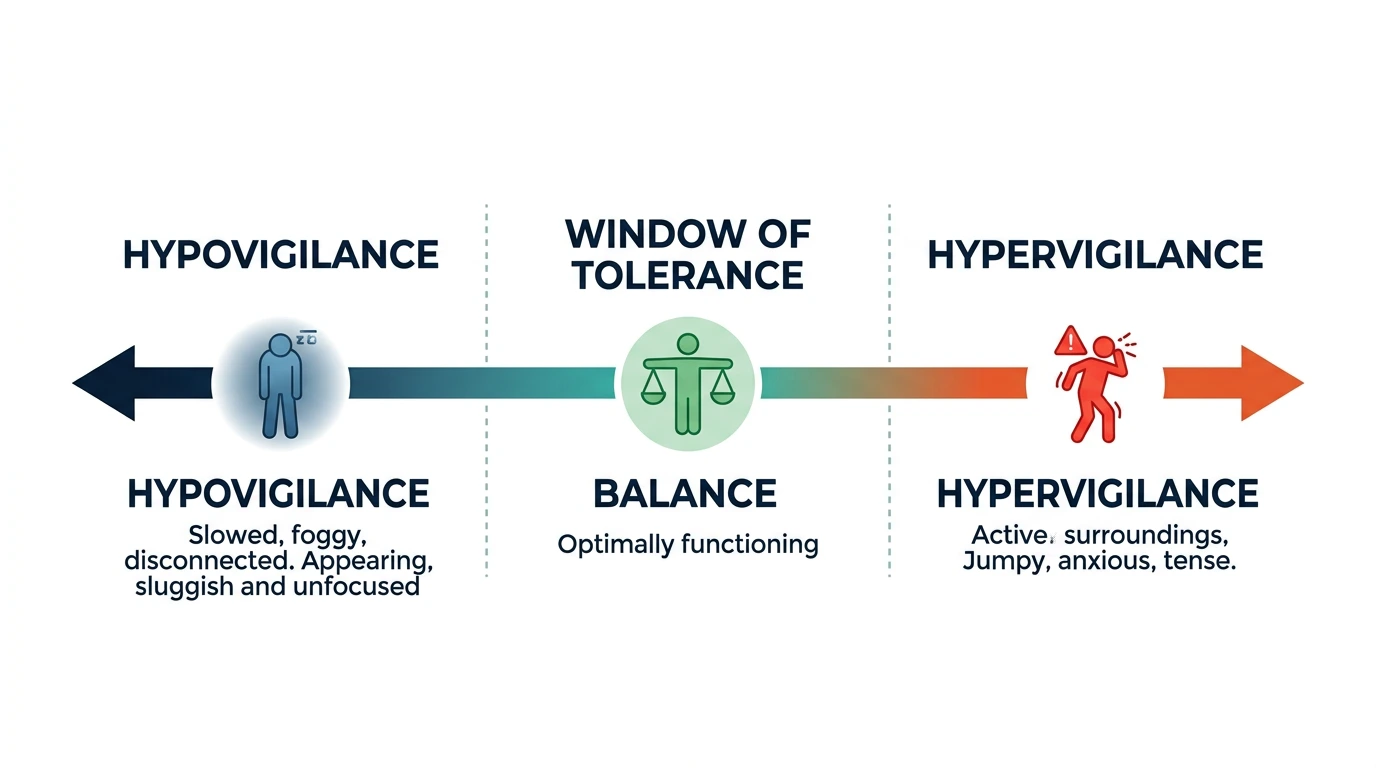
In trauma and nervous-system language, this often overlaps with what's called hypoarousal or the freeze/shutdown response.
This isn't about being lazy or not trying hard enough. It's a physiological shift in your arousal level:
- Your brain lowers the "volume" on incoming signals
- Your body moves into a lower gear to conserve energy or protect itself
Research on stress and trauma backs this up. For example:
- The polyvagal theory (Porges, 2011) describes how our nervous system can move from fight/flight (hyperarousal) into shutdown (hypoarousal) when things feel too overwhelming or inescapable.
- Studies on burnout and chronic stress show measurable changes in attention, reaction time, and working memory when the system has been overloaded for too long.
In other words: your brain is not failing. It's adapting.
Common Signs You're Experiencing Hypovigilance
Here's how hypovigilance often shows up in day‑to‑day life. Many people describe it in quiet, frustrated ways, like:
- Feeling foggy, disconnected, or "not fully here"
- Difficulty concentrating or staying on task — your mind drifts even when you want to focus
- Slower reaction times — you miss red flags, deadlines, or social cues until they're glaringly obvious
- Forgetfulness or poor short‑term memory — you walk into a room and forget why, or lose track of what you were doing
- Unusual fatigue that rest or sleep doesn't fully fix
- Lack of motivation or emotional flatness — things that used to excite or upset you now barely register
- Delayed emotional processing — something stressful happens, and you don't really feel it until hours or days later
- Struggling to track conversations or instructions — people talk and you catch pieces, but not the whole thing
Many clients tell me they've had thoughts like:
If any of this feels familiar, you're not imagining it — and you're not alone.
Why Does Hypovigilance Happen?
Your nervous system is wired for survival and balance, not productivity.
When it's been stuck in hypervigilance for too long — from trauma, chronic stress, anxiety, or ongoing overwhelm — it may swing to the opposite extreme as a protective strategy.
A metaphor I often use in session:
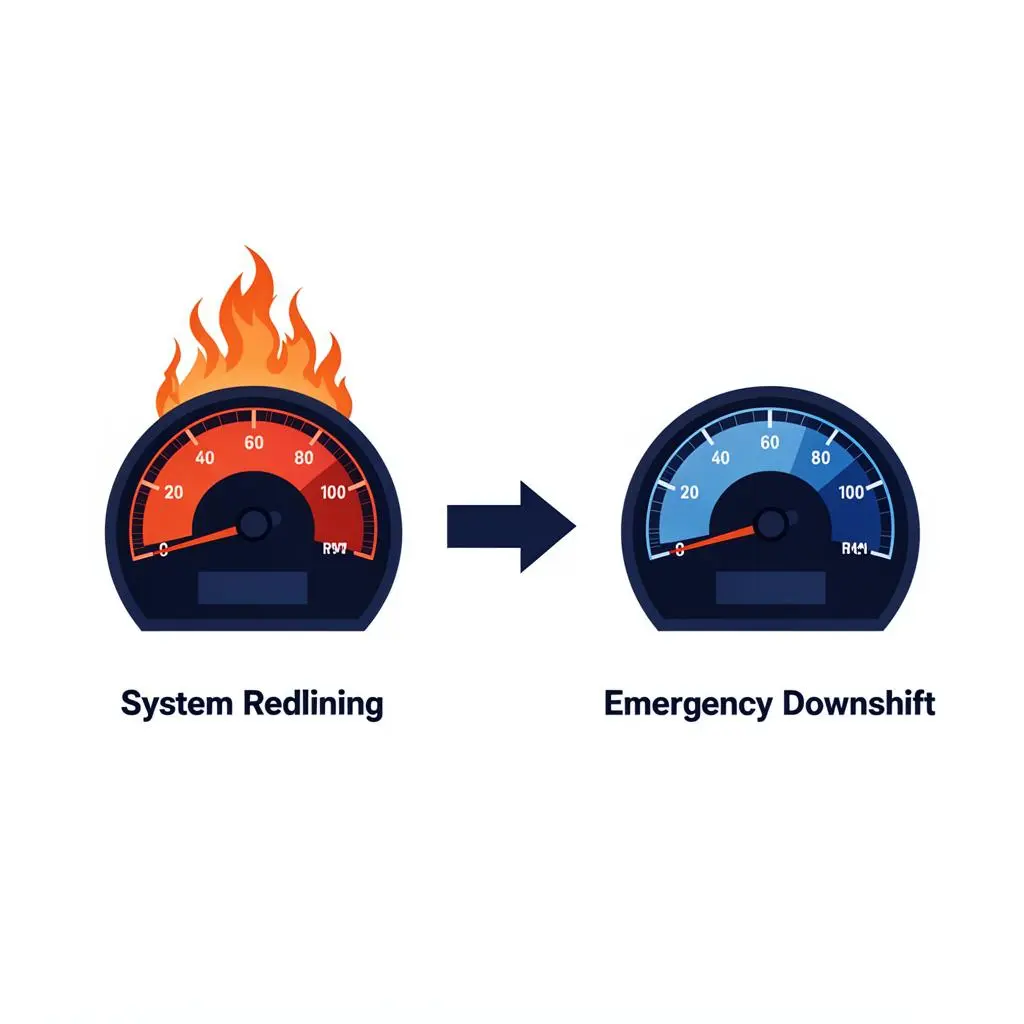
Some well‑documented contributors include:
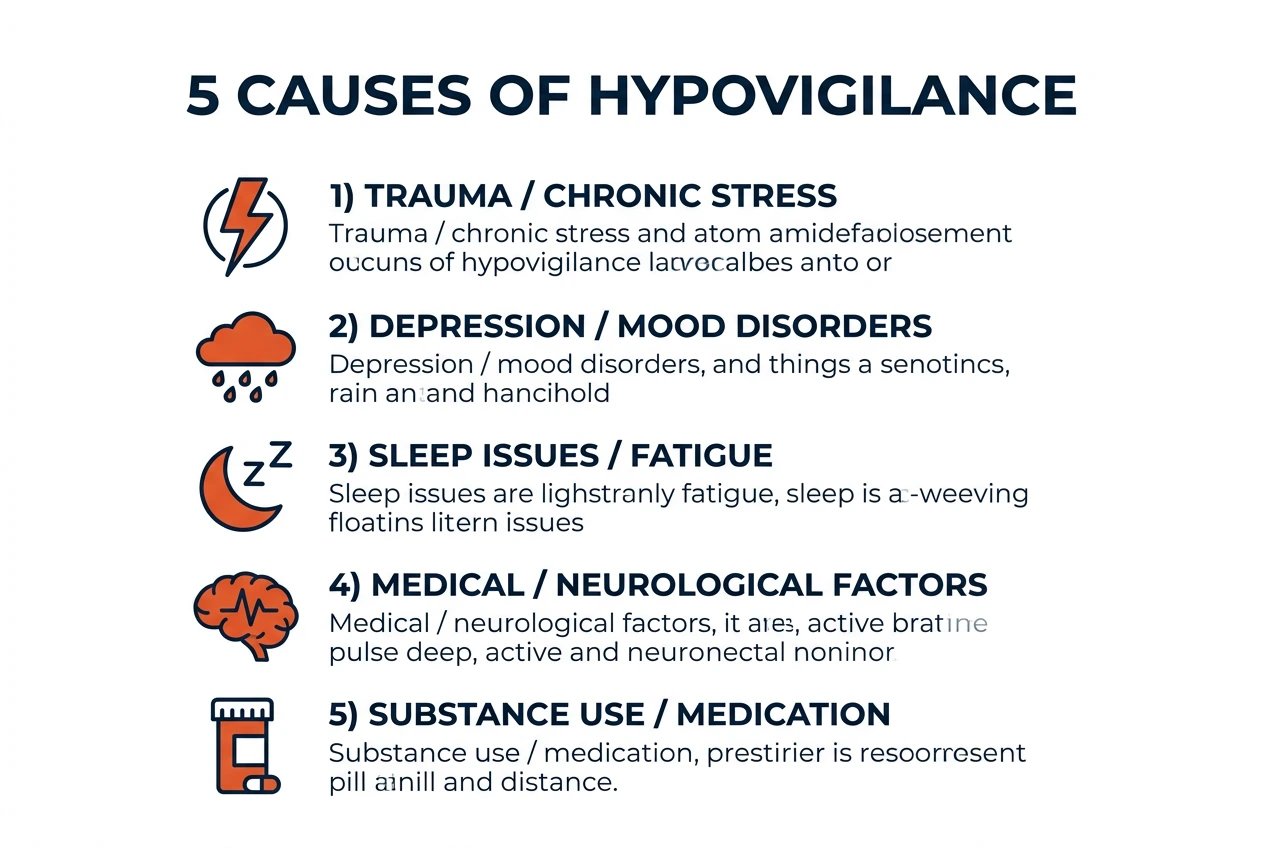
1. Trauma or Chronic Stress
Prolonged exposure to threat or stress (childhood trauma, abusive relationships, unsafe workplaces, marginalization, etc.) can keep the system in fight/flight.
Over time, the brain may dampen awareness as a way to prevent total overload.
This is reflected in the "window of tolerance" model used widely in trauma therapy: outside your window, you may swing between hyperarousal (anxiety, panic, anger) and hypoarousal (numb, disconnected, shut down).
2. Depression and Mood Disorders
Conditions like major depressive disorder, bipolar depression, and some anxiety disorders can come with low energy, slowed thinking, and emotional blunting.
Research consistently shows that depression is associated with reduced concentration, slower information processing, and impaired working memory, all of which can feel like hypovigilance.
3. Sleep Issues and Fatigue
Chronic sleep deprivation, insomnia, or fragmented sleep can drastically affect attention and alertness.
Studies on sleep loss show slower reaction times, increased errors, and more "microsleeps" — tiny lapses in awareness that feel like zoning out.
Even monotonous routines — like long highway drives, repetitive work, or endless scrolling — can nudge the brain toward a lower-alert state.
4. Medical and Neurological Factors
Several conditions can contribute to hypovigilant states, including:
- ADHD, especially the inattentive presentation, which affects sustained attention and working memory
- Thyroid issues (both hypo‑ and hyperthyroidism can affect energy and focus)
- Chronic fatigue or post‑viral fatigue syndromes
- Post‑concussion or traumatic brain injuries, which can slow processing and increase cognitive fatigue
These conditions are documented to impact attention, processing speed, and mental stamina.
5. Substance Use and Medication Side Effects
- Sedating medications (some anti‑anxiety meds, sleep aids, antihistamines) can reduce alertness.
- Stimulants (including prescribed ones) can, after wearing off, leave a "crash" period of low energy, low motivation, and fog.
- Alcohol and some recreational substances can also disrupt sleep architecture and next‑day alertness.
In short: hypovigilance is not random. It's your nervous system trying to help — even if the outcome is deeply inconvenient.
You Don't Have to Navigate This Alone
At Phoenix Rebellion Therapy, we help people understand their nervous system patterns and build a path toward clarity and presence.
Schedule an AppointmentIt's Not Laziness — It's Biology
One of the most painful parts of hypovigilance is often the story you tell about yourself while you're in it.
You might hear things like:
And you may repeat those messages to yourself.
From a therapeutic and neurobiological perspective, though, this state is not a character flaw. It's a survival adaptation.
Many people I work with have already tried the obvious fixes:
- More coffee
- More shame‑based self‑talk
- More "discipline" and productivity hacks
- More information — books, podcasts, therapy worksheets
Insight can be helpful, but by itself it doesn't always shift the underlying physiology. If your nervous system has decided that low alertness is safer or more sustainable than high alertness, it will keep defaulting there until it feels secure enough to do something different.
That's why understanding the why matters: when you can name this as a nervous-system pattern rather than a personal failing, shame loosens its grip — and change becomes more possible.
What You Can Do Next
This is not medical advice and doesn't replace working with a licensed professional who knows your specific history. But there are evidence-informed steps that often help.
The goal isn't to force yourself to be "on" all the time. It's to widen your window of tolerance so you can be:
- Alert without being exhausted
- Present without being overwhelmed
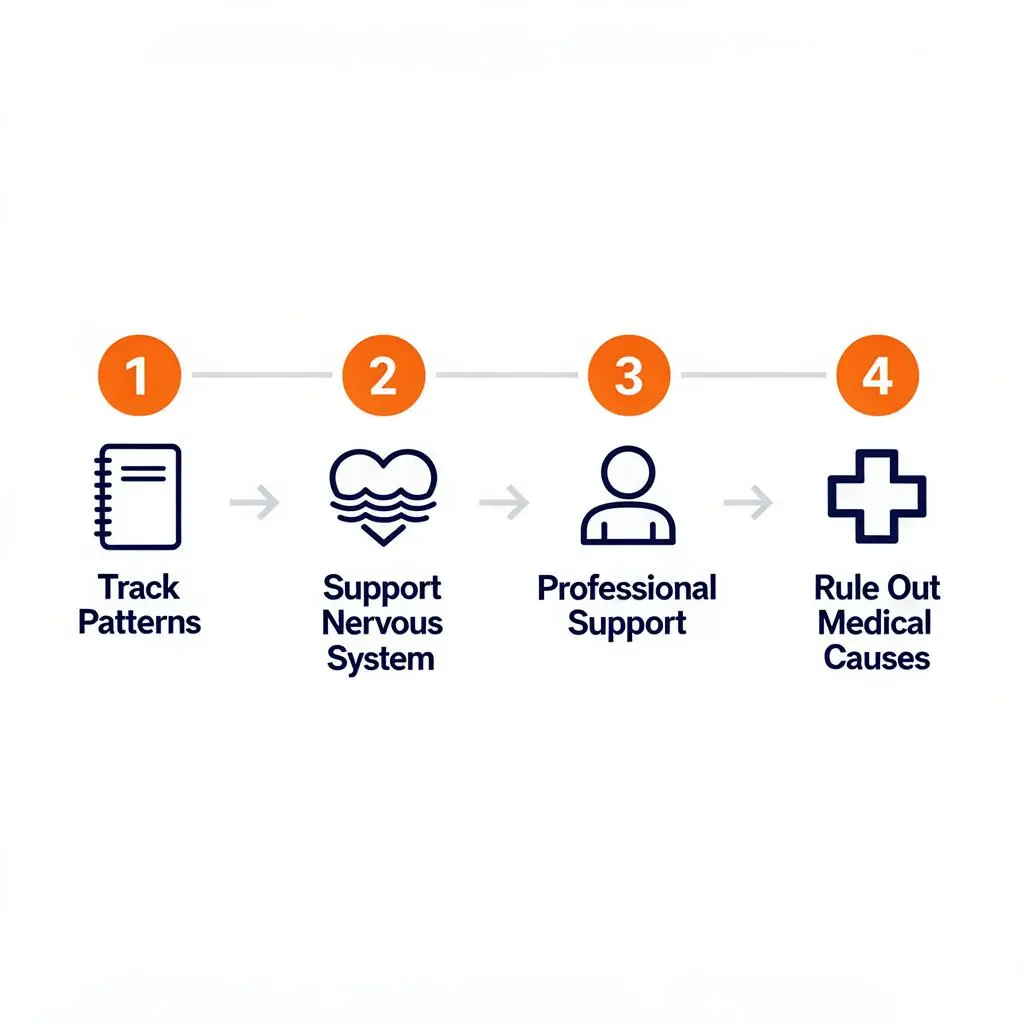
Here are some starting points.
1. Track Your Patterns
Instead of judging yourself for being foggy, get curious about it.
You might gently notice:
- When does the fog roll in? Morning, afternoon, evening?
- What tends to happen before it? Poor sleep, conflict, long meetings, overstimulation, scrolling, certain environments?
- What does it feel like in your body? Heavy limbs, pressure in your head, numbness, slow thoughts?
This kind of tracking is supported by many trauma-informed approaches. It helps your brain shift from, "What's wrong with me?" to, "Oh, here's that pattern again. I know what this is."
2. Support Your Nervous System (Not Punish It)
Nervous-system regulation is less about doing something dramatic and more about small, repeatable signals of safety.
Options that many people find helpful include:
- Gentle movement – short walks, stretching, yoga, rocking, or swaying can help wake the body up without overwhelming it.
- Consistent sleep routines – going to bed and waking up around the same time supports your circadian rhythm, which strongly influences alertness.
- Grounding practices – noticing 5 things you see, 4 you can touch, 3 you hear, 2 you smell, 1 you taste; feeling your feet on the floor; holding something textured or weighted.
- Rhythmic sensory input – calming music, steady drumming, or even paced breathing (like a 4‑6 second inhale and 6‑8 second exhale) can engage the parasympathetic system.
Research in somatic and trauma therapies shows that gently working with the body — instead of only thinking about the problem — can help shift arousal states over time.
3. Consider Professional Support
If hypovigilance is getting in the way of work, relationships, or your sense of self, you don't have to navigate it alone.
Therapies that work directly with arousal states can be especially helpful, such as:
- Trauma‑informed therapies (like EMDR, trauma‑focused CBT, parts work, or sensorimotor psychotherapy)
- Somatic approaches, which focus on body awareness and regulation rather than only on thoughts
- Neurofeedback, which uses real‑time brainwave feedback to help train more flexible nervous-system patterns
There is growing evidence that these approaches can help regulate hyper‑ and hypoarousal, especially when insight alone hasn't shifted things.
4. Rule Out Medical Contributors
This is an important piece that often gets skipped.
A visit with a healthcare provider can help you explore:
- Sleep disorders (like sleep apnea or insomnia)
- Thyroid and hormone issues
- Vitamin deficiencies (such as B12, iron, or vitamin D)
- Post‑viral or chronic fatigue conditions
- Medication side effects or interactions
These are well-documented contributors to fatigue, brain fog, and decreased alertness — and they are not moral failings either.
A Different Way to See Yourself
Hypovigilance can feel like your brain has gone quiet at exactly the wrong time — during a meeting, with your kids, while driving, in a conversation that matters.
But that quiet isn't permanent, and it isn't proof that you're broken.
From a therapeutic and biological standpoint, hypovigilance is your system saying:
That response was shaped by what you've lived through — your trauma, your stress load, your health, your environment. And the hopeful part is this:
Patterns can change.
With understanding, nervous-system support, appropriate medical care, and (when possible) thoughtful therapy, many people do experience:
- A clearer mind
- More consistent energy
- A greater ability to stay present
- Less shame about their rhythms and needs
If you recognize yourself in these words, know this: you are not lazy, defective, or "too much" of anything. You are a human being whose nervous system has been doing its best to protect you.
And with time, care, and the right support, that system can learn that it's safe to come back online — not all at once, not perfectly, but enough for you to feel more here, more you, and more alive.
Ready to Start Your Healing Journey?
Our therapists specialize in trauma and nervous-system work. Take the first step toward clarity and presence.
Schedule an Appointment