
Are you very good at pretending everything is fine? Do you try hard at everything and still feel stuck? We hear this all the time from our clients, often in those exact words.
If you’ve tried therapy before and it was too soft, or it never got to the real thing, or your therapist moved and you had to start over, we ask what didn’t work last time before we ask about your calendar. Then we match you to a therapist who has sat with exactly that, and if the fit is wrong, we switch you at no cost. Tell us what you can on the first call and we take it from there. You can usually be seen within the week, often within two days.
1,000+ people in 2026
Seen so far this year, in Murray and Kaysville.
Average copay is $40 a session
After insurance. Out of pocket in Utah runs about $150.
Switch therapists anytime
No charge, and the front desk handles it.

You’ve done the therapy, maybe the medication too. You still get up and go to work, nobody sees how much it takes, and somewhere along the way you started to wonder if you’re the one who can’t be fixed. When people first come to us, we ask why now. One wrote that they were “tired of not being okay.” Another listed ten years of therapy and said they still needed more tools.
That is where we start. Your therapist asks what didn’t work last time and builds from there, and there is more than one way in. If something happened underneath the depression, EMDR and ART work on the memory itself. If talking hasn’t reached it, neurofeedback comes at it a different way, as its own appointment with the same team. If the therapist isn’t right for you, say so and we move you at no cost.
All of it happens at Phoenix Rebellion Therapy’s two clinics in Murray and Kaysville, with one team. Tell us what you can on the first call, and you can usually be sitting with a therapist within the week.
This visit is for matching. You tell us what's going on and what didn't work last time, and we listen for three things: what's underneath the depression, how direct you want your therapist to be, and whether you want faith in the room or left out of it. You don't have to read 14 bios or guess which method you need.
You sit down with the therapist we matched you to, in Murray, in Kaysville or on video. Start wherever you want. Some people talk the whole hour, and some need a few sessions before they trust the room. Most people come weekly, and if neurofeedback fits, it's its own appointment with the same team.
If your therapist isn't the right fit, tell the front desk. We move you to another therapist at no charge, with no awkward conversation, and you don't start over from the beginning.
With insurance, our clients, on average, pay $40 a session. We’re in network with Aetna, Blue Cross Blue Shield, Cigna and EverNorth, EMI, GEHA, PEHP, SelectHealth, TRICARE West, TriWest, UMR, UnitedHealthcare and University of Utah Health Plans. We also take Cigna, ComPsych and Optum EAPs. We are not a Medicaid or Medicare provider.

You’ll be working with a therapist who treats depression week in and week out, and who has heard all of it before, without judgment.
Experienced, licensed therapists. Our therapists are licensed clinical social workers and mental health counselors with 50 years of practice between them, and depression is part of what they treat every week. Most of the people they see have tried therapy before, so they’re used to picking up where something else stalled.
Specialists in what’s underneath. On top of talk therapy, our team is trained in EMDR, ART and neurofeedback. If something that happened to you, or years of running on empty, sits under your depression, there’s a therapist here who specializes in it.
Training that doesn’t stop at the license. We devote many hours and days over the course of the year to training, so when you sit down with someone here, they’ve had help thinking about people like you.
Check Your Insurance Coverage
Arizona H.

“I went to [my therapist] for over a year and he was the first therapist I ever went to where I felt like he actually listened to me. He helped me work through a lot of things and always had such great insight to share.”
Paul E.
“Therapist was very good about no judgements right from 1st session. Definitely provides that safe feeling needed to really be honest.”
Genevieve P.
“I have done talk therapy, EMDR, and neurofeedback at Phoenix Rebellion. The counselors and staff are wonderful. I experienced life-changing improvement in my anxiety, depression, and PTSD.”


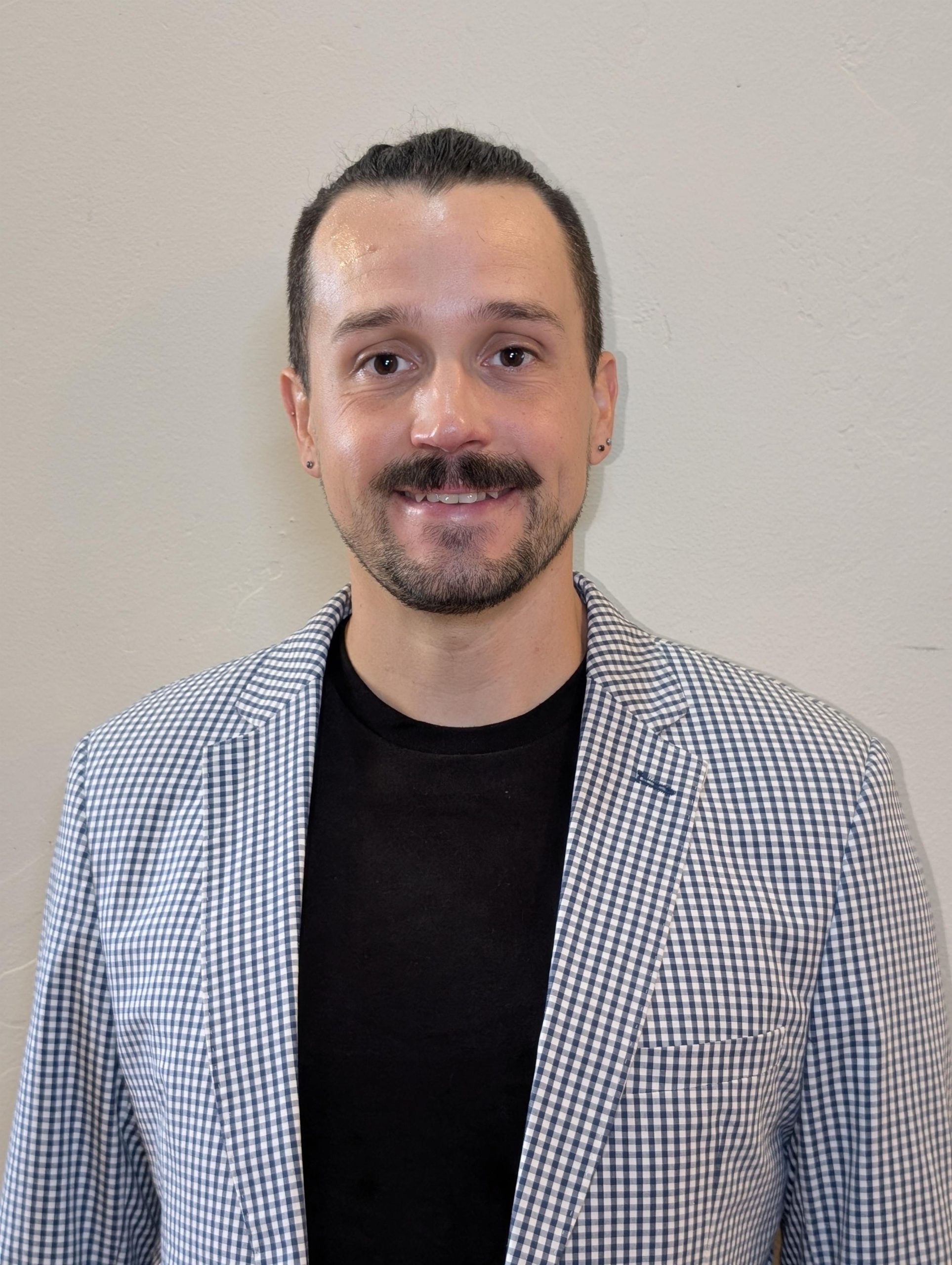

Meet Our Providers
Many of our therapists keep evening hours on purpose, so you don’t have to explain a 2 PM absence to your boss to get help. You can also meet by video from anywhere in Utah.
Murray (Salt Lake County)
Hours:
Mon–Fri: 7:00 AM – 9:00 PM
Sat: 9:00 AM – 5:00 PM
Sun: Closed
Kaysville (Davis County)
Hours:
Mon–Fri: 8:00 AM – 8:00 PM
Sat–Sun: Closed
You can say it out loud here. Those thoughts come with depression more often than people admit, and your therapist has heard them before. They will ask how often the thoughts come and what they look like, and the two of you build a safety plan together. Your therapist talks each step through with you, so you always know what is happening.
No. Sleeping fourteen hours, the dishes in the sink, the texts you never answered. That is what depression looks like, and it is where depression treatment at Phoenix Rebellion Therapy starts. Nobody here will tell you to get yourself together or that other people have it worse.
Many people do well with therapy alone, and some do best with both. We don't prescribe medication here. If you already take something, your therapist can work with your prescriber, with your OK. If you're wondering whether medication could help, your therapist will talk it through with you and point you to a doctor who can prescribe.
It's 30 minutes with a therapist. You tell us what's going on and what didn't work last time, and we match you to the therapist who fits. If the fit turns out wrong, our match guarantee means we move you at no cost.
The goal is steadiness, a life that feels full again, and how long that takes depends on what you've been through. At Phoenix Rebellion Therapy, your plan starts taking shape in your first session, and we keep things as structured as we can so you always know what you're working on. Progress usually isn't a straight line. Some people hold steady for a while and then it clicks. If you hit a plateau, neurofeedback can be added alongside your therapy, and clients tell us the noise drops first, then a feeling of calm, then focus returns. You can start with a 30-minute first visit, usually within the week.
Many people come to Phoenix Rebellion Therapy after therapy, medication or both didn't do enough. Your therapist starts with what didn't work last time. If something happened underneath the depression, EMDR and ART are in the same building. If talking hasn't reached it, neurofeedback comes at it a different way, as its own appointment with the same team, and insurance may cover it. Everything you've already tried gives your therapist a head start, and you don't have to work out the next step on your own.