
South Jordan adults can get trauma-focused PTSD care with Phoenix Rebellion Therapy, in person at our Murray office or by video from home.

From Daybreak or the neighborhoods along Redwood Road, our Murray office is about 20 minutes northeast by Bangerter Highway or I-15. Many South Jordan clients are parents who carry trauma quietly while keeping busy households running, and they come in when the sleep problems, irritability or panic finally stop being manageable. We start with an assessment, then build a plan that may include EMDR, neurofeedback or talk therapy. If a weekday drive will not work, telehealth sessions keep you on track. See our PTSD therapy page, check insurance and financing, or view PTSD therapy for Herriman.

Your first visit focuses on building trust and understanding your unique experiences with PTSD trauma. The therapist will conduct a thorough assessment, discuss your symptoms, and collaborate with you to identify personal goals for treatment. This session lays the groundwork for a supportive, individualized approach to your healing journey.



Effective therapy can significantly reduce symptoms of PTSD trauma, such as flashbacks, nightmares, anxiety, and emotional numbness. By addressing the root causes of trauma, individuals often experience improved daily functioning and a greater sense of emotional stability. This progress helps restore confidence and hope for the future.
Treatment empowers individuals to build emotional resilience and healthier coping mechanisms. Through guided therapy, clients learn to process past trauma and manage stress more effectively, which can lead to lasting emotional growth. Over time, this resilience fosters a stronger sense of self and well-being.
Addressing PTSD trauma often leads to better communication and trust within personal relationships. As individuals heal, they are better equipped to connect with loved ones and form new, healthy bonds. This improvement in relationships can be an important part of the overall recovery journey.
Therapy for PTSD trauma helps individuals regain a sense of control and safety in their lives. By working through traumatic experiences with professional support, clients often discover newfound empowerment and autonomy. This restored control can make day-to-day life feel more manageable and fulfilling.
The cost of PTSD therapy in South Jordan, UT averages $130 to $200 per session before insurance. Across the Wasatch Front, a first intake session usually runs $160 to $240 and ongoing 50 to 60 minute sessions run $135 to $195.
We are in network with most major Utah plans, including SelectHealth, PEHP, Aetna, Cigna, Blue Cross Blue Shield, UnitedHealthcare, Tricare and TriWest, and most of our clients pay $0 to $40 per session after insurance. Self-pay and CareCredit financing are also available. See insurance and financing for details.
Our therapists take a personal, compassionate approach to PTSD and trauma care, using proven methods like EMDR, ART and neurofeedback. South Jordan clients see us at our Murray office, about 20 minutes northeast by Bangerter Highway or I-15, with weekday appointments from 7 a.m. to 9 p.m. and Saturdays from 9 a.m. to 5 p.m. Telehealth is available across Utah, and we answer new inquiries within 2 hours during business hours.
Check Your Insurance Coverage
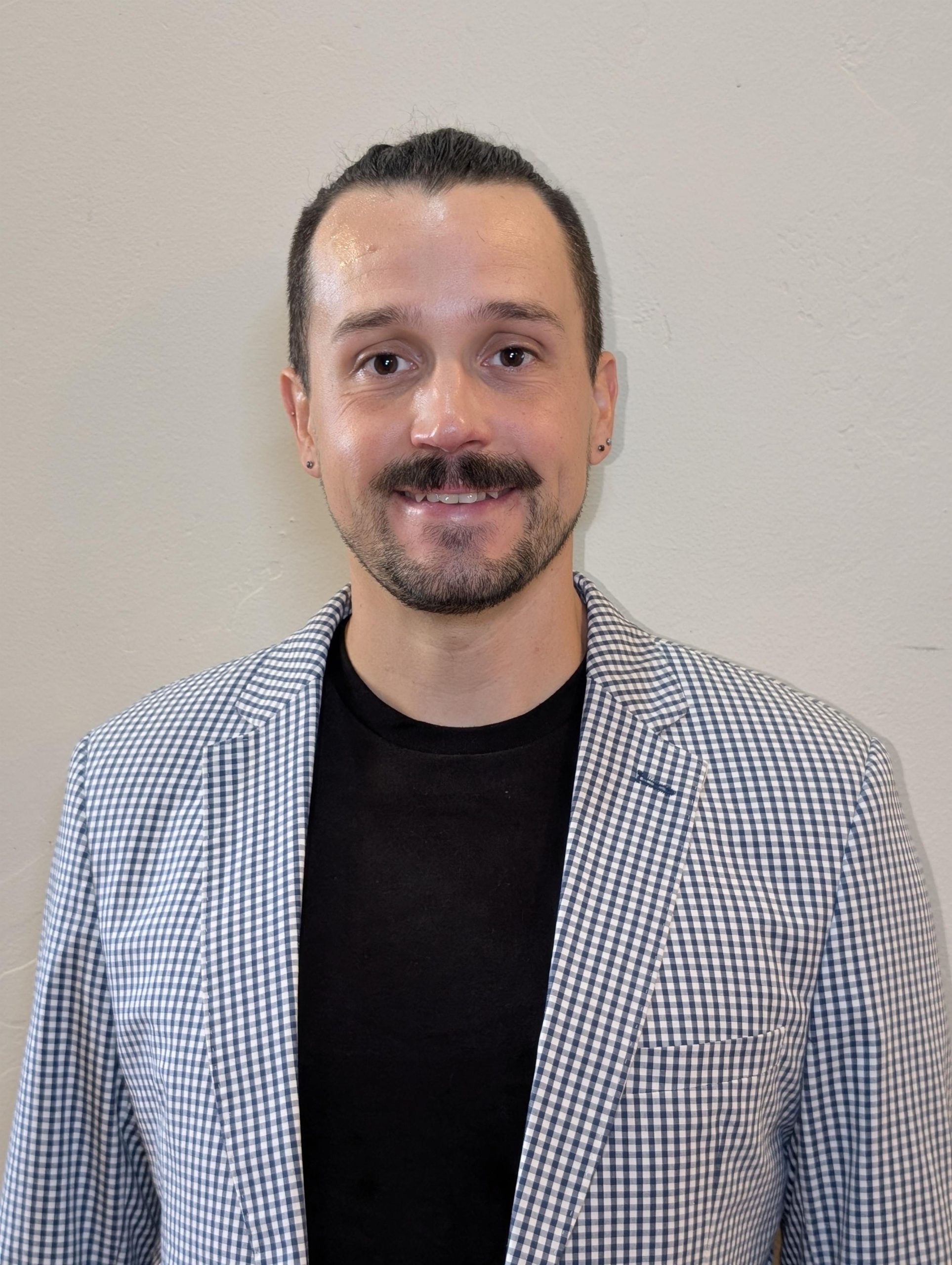
Tason D.



Meet Our Providers
Salt Lake County
Hours:
Mon–Fri: 7:00 AM – 9:00 PM
Sat: 9:00 AM – 5:00 PM
Sun: Closed
Davis County
Hours:
Mon–Fri: 8:00 AM – 8:00 PM
Sat–Sun: Closed
Our Murray office at 4516 South 700 East, Suite 360, Murray, UT 84107 is about 20 minutes northeast by Bangerter Highway or I-15. It offers weekday appointments from 7 a.m. to 9 p.m. and Saturdays from 9 a.m. to 5 p.m.
Yes. We offer secure telehealth sessions anywhere in Utah, so South Jordan clients can meet from home and come to the Murray office when in-person work helps.
Before insurance, PTSD therapy in South Jordan averages $130 to $200 per session. With in-network insurance, most of our clients pay $0 to $40 per session. Self-pay and CareCredit financing are available.
Yes. The Murray office opens at 7 a.m. and stays open until 9 p.m. on weekdays, with Saturday times too, and you can switch to telehealth on weeks when the drive does not fit.